International Space Research Symposium 2026
Houston, October 15 to October 17, 2026
Three days of orbital sciences, propulsion workshops, lunar habitability sessions, mission operations panels, and public-private research collaboration meetings.
Register now
See full agenda
Venue details
Meet sponsors
See full agenda venue details meet
Mission clock standby
* Limited on-site lab tour capacity remains.
Conference Snapshot
The symposium convenes researchers from agencies, universities, startups, observatories, and mission operations teams to compare current results and prototype next-generation exploration systems.
Este encuentro reúne a laboratorios de vuelo, observatorios, centros de control y equipos de biociencia para debatir nuevas misiones y resultados.
宇宙探査、軌道科学、推進技術、月面居住、データ解析の研究者が集まります。
يجمع المؤتمر فرق الاستكشاف والاتصالات والتحليل المداري والتعاون الصناعي.
Forschungsteams aus Europa, Nordamerika und Asien stellen gemeinsame Missionsdaten vor.
Les équipes présenteront des ateliers sur les charges utiles, la robotique et la science planétaire.
Program Highlights
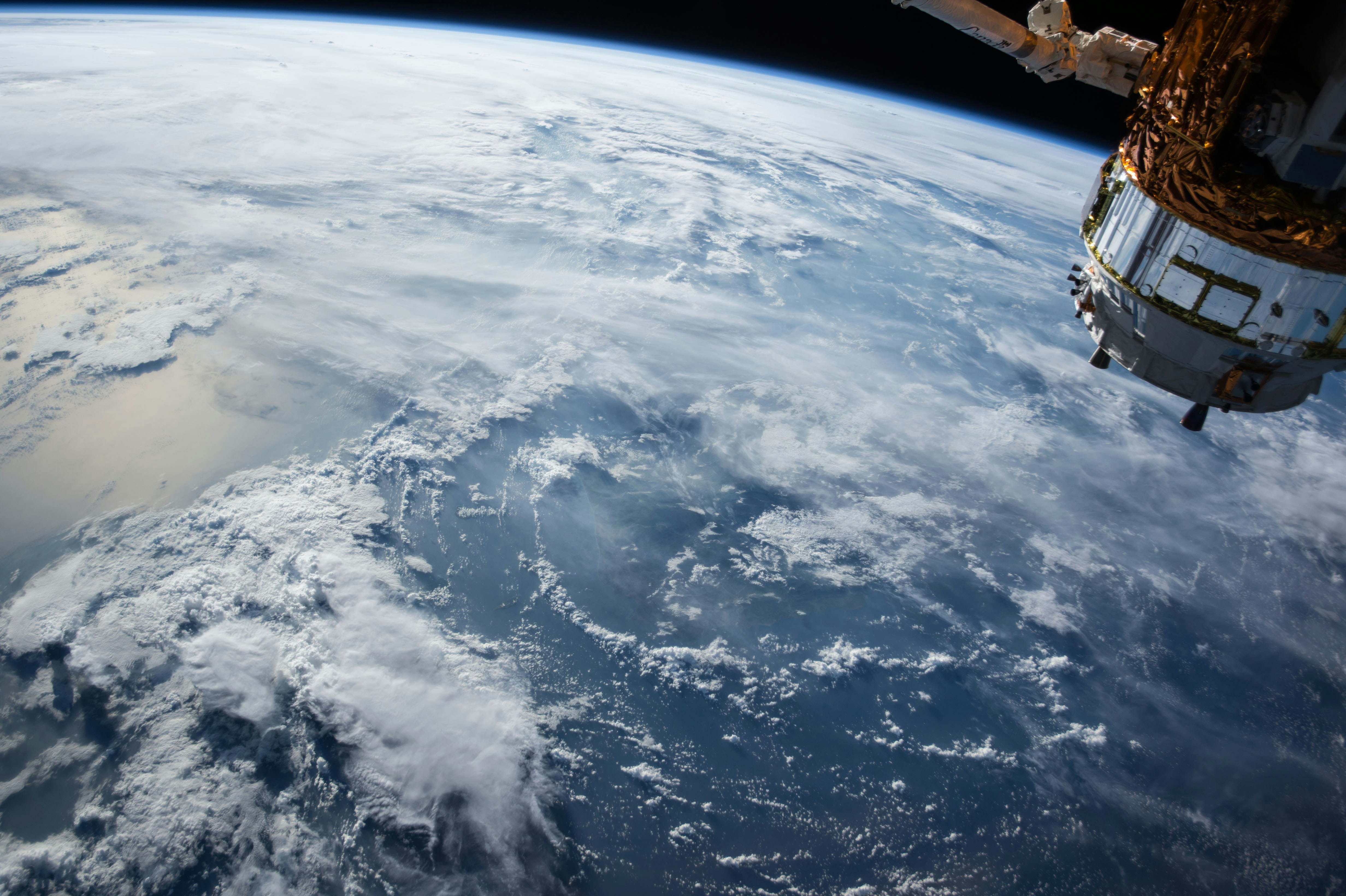

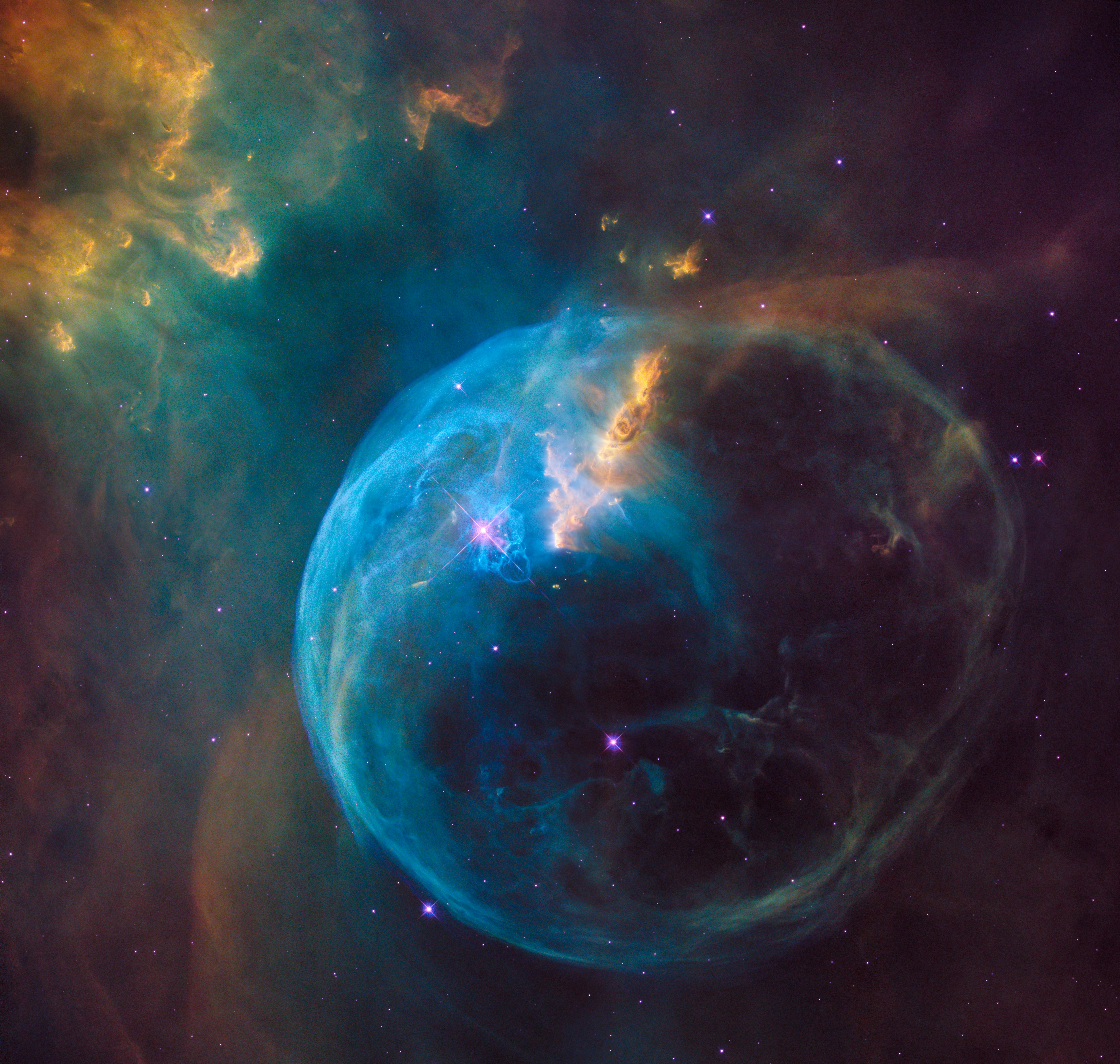
Houston skyline conference billboard.
Decorative nebula texture behind the registration wall.
Moon rover concept rendering for the innovation theater.
Poster alley lighting mockup.
Deep-space antenna concept sketch for the communications booth.
Decorative shuttle silhouette in the sponsor lounge.
Infographic summarizing launch cadence, payload capacity, and mission cost curves.
Session graphic explaining a transfer-window concept.
SVG chart used in the sponsor pitch deck.
Team photo from the planetary defense working group.
Illustrated seating layout for the plenary hall.
Artist rendering of the student rover challenge arena.
Agenda and Tracks
The agenda balances plenary sessions, technical breakouts, mission operations case studies, and hands-on labs.
| Thursday | 08:00 | Badge pickup and coffee service | Grand Foyer |
|---|---|---|---|
| Thursday | 09:00 | Opening plenary: distributed science in cis-lunar orbit | Hall A |
| Thursday | 10:30 | Orbital mechanics workshop | Room 201 |
| Track | Chair | Theme | Room |
|---|---|---|---|
| Planetary Science | Dr. Elena Ward | Crater mapping and volatile detection | 205 |
| Biomed | Dr. Mateo Ruiz | Long-duration adaptation studies | 207 |
| Systems | Amara Chen | Thermal control and autonomy | 209 |
| Poster Cluster | Count | Lead Institution | Setup Window |
|---|---|---|---|
| Exoplanet Spectroscopy | 24 | Caltech | 07:00-08:30 |
| Space Robotics | 18 | ESA Labs | 07:00-08:30 |
Thursday Morning
Thursday Afternoon
Friday Morning
Friday Afternoon
Saturday Morning
Saturday Closing
- Mission Design Studio
- Propulsion Diagnostics Lab
- Orbital Debris Roundtable
- Student Poster Coaching
Day 1 Featured Sessions
Thursday emphasizes mission planning, launch economics, and translational science partnerships.
Learn about Day 1 Featured Sessions
Read more about Day 1 Featured Sessions
Learn more about Day 1 Featured Sessions
Learn about Day 1 Featured Sessions: example
Bookmark keynote questions
| 11:00 | Reusable upper-stage economics | Amphitheater C | Commercial launch operators compare refurbishment data. |
|---|---|---|---|
| 11:45 | Orbital agriculture nutrient loops | Lab 2 | Closed-loop plant science under variable radiation loading. |
| 12:20 | Smallsat swarm autonomy | Room 214 | Fault management patterns for dense constellation operations. |
| 08:30 | Lunar terrain perception | Room 112 | Real-time hazard classification for robotic landing assistants. |
|---|---|---|---|
| 10:00 | Radiation-tolerant avionics | Lab 6 | Case studies from deep-space flight computer redesign cycles. |
| 14:10 | Space weather forecasting | Hall B | Forecast alignment between observatories and mission control. |
| 09:15 | Surface habitat logistics | Forum 4 | Long-horizon cargo sequencing and mass budget review. |
|---|---|---|---|
| 11:30 | Citizen science telemetry session | Room 108 | Using public sensor feeds to support mission interpretation. |
| 15:00 | Closing synthesis | Hall A | What 2026 data means for missions launching in 2027 and beyond. |
Speakers and Delegations
The speaker lineup includes flight directors, principal investigators, instrument specialists, and commercial program leads.
Ward leads the Helios polar orbiter imaging team and will present new volatile maps.
Brooks coordinates EVA simulations for modular orbital manufacturing systems.
Stein specializes in cryogenic pump instabilities and long-burn propulsion endurance.
| Delegate Group | Country | Members | Focus |
|---|---|---|---|
| Orbital Habitat Consortium | United States | 12 | Life support integration |
| Planetary Survey Cluster | Japan | 8 | Crater chronology |
| Deep-Space Network Group | Germany | 7 | Communication resilience |
Media Center
Recorded materials will be posted after the symposium. The preview clips below are intended for press and partner review.
[Audio description transcript placeholder — replace with actual transcript content]
Opening montage from the convention center screens.
[Audio description transcript placeholder — replace with actual transcript content]
Short feature from the robotics lab rehearsal.
[Audio description transcript placeholder — replace with actual transcript content]
Sponsor reel that loops in the expo hall.
[Audio description transcript placeholder — replace with actual transcript content]
Press preview for the astronaut Q&A stage.
[Audio transcript placeholder — replace with actual transcript content]
Countdown stinger used before keynote sessions.
[Audio transcript placeholder — replace with actual transcript content]
Audio digest with conference operations updates.
[Audio transcript placeholder — replace with actual transcript content]
Student challenge promotional spot.
Venue and Travel
The symposium is hosted at the Houston Convention District with overflow labs at an adjacent engineering annex.
- George R. Brown Convention Center
- 1001 Avenida De Las Americas
- Houston, Texas
- Arrival desk opens at 07:15 on October 15
-
Lobby checkpoints open early for poster presenters.
-
Shuttles depart every thirty minutes for partner facility tours.
-
Evening receptions use the south terrace and observatory hall.
| Hotel | Walk Time | Rate | Status |
|---|---|---|---|
| Mariner Downtown | 6 min | $249 | Available |
| Orbit House | 9 min | $219 | Limited |
| Helios Suites | 12 min | $289 | Available |
| Transit | Route | Duration | Notes |
|---|---|---|---|
| Airport Shuttle | IAH to Convention District | 35-55 min | Peak traffic varies |
| Metro Rail | Red Line | 18 min | Closest stop at Central Station |
| Ride Share | Direct | 20-40 min | Use loading zone C |
International Welcome Notes
Bienvenidos al simposio internacional de investigación espacial en Houston. Habrá asistencia bilingüe en el mostrador principal.
ようこそ。受付では参加証の印刷と研究トラックの案内を行います。
مرحبا بكم في هيوستن، وسيتم توفير معلومات السفر والدعم اللوجستي عند مكتب الوصول.
Willkommen zur Konferenz. Das Technikteam steht im Medienraum für Präsentationstests bereit.
Bienvenue au symposium. Le salon des partenaires ouvre chaque soir après les sessions plénières.
Poster Hall and Labs
Poster rows are organized by mission domain, instrumentation, robotics, life sciences, and materials engineering.
| Row | Theme | Poster Range | Lead Host |
|---|---|---|---|
| A | Exoplanet imaging | 1-24 | Dr. Min Park |
| B | Remote sensing | 25-44 | Dr. Imani Blake |
| C | Human systems | 45-63 | Dr. Andre Costa |
| Lab | Capacity | Equipment | Safety Brief |
|---|---|---|---|
| Vacuum Systems Demo | 30 | Pumps, pressure rigs | Required |
| Avionics Bench | 20 | Boards, telemetry consoles | Required |
| Rover Navigation Arena | 40 | Test terrain, cameras | Required |
Sponsors and Industry Partners
The sponsor pavilion brings together launch providers, optics manufacturers, software vendors, and research institutions.
Stellar Dynamics hosts the launch cadence forecasting session.
Nova Optics presents adaptive imaging components for small observatories.
Relay Systems demonstrates telemetry dashboards in the operations lounge.
Johnson Space Center Technical Visit
The optional field visit includes mission operations walkthroughs, mockup modules, and a guided systems history session.
This reservation widget keeps keyboard focus inside the box once activated.
This field is required
This field is required
Jump to after-hours events
Late registration access
Registration
Complete the attendee details below to request badges, lab access, and partner event invitations.
Registration alerts and seating notices are posted here during the week of the event.
Open private partner notes
Networking, Receptions, and Side Events
The symposium features breakfast meetups, investor salons, student mentoring rounds, and astronomy rooftop sessions.
Thursday night features an orbital debris policy mixer and a sponsor-hosted mission simulation recap.
Friday morning begins with student-PI mentoring tables focused on publication strategy and flight proposal framing.
Friday night rooftop observations include lunar imaging and a short introduction to spectrograph calibration.
After Hours Guide
The Houston evenings include museum access, research meetups, and a late poster salon.
Hotel details
Map
Transit
Read more about After Hours Guide
Learn more about After Hours Guide
Save poster salon
Frequently Asked Questions
Answers below summarize the most common attendee questions.
When does badge pickup begin?
Badge pickup begins at 08:00 on Thursday, October 15, 2026 in the Grand Foyer.
Is on-site poster printing available?
Limited poster printing is available until 15:00 on Wednesday for files submitted in advance.
Will talks be recorded?
Selected plenaries and sponsor segments will be recorded for later release.
Can I switch tracks after check-in?
Yes, room capacity permitting, attendees may switch tracks on site.
| Question | Short Answer | Desk | Hours |
|---|---|---|---|
| Visa letter | Available after approval | Registration | 09:00-17:00 |
| Press pass | Requires editor confirmation | Media | 09:00-16:00 |
| Poster tube storage | Available by hall D | Operations | 08:00-18:00 |
Parking advisory, wayfinding maps, and some sponsor links below use intentionally muted colors that are difficult to perceive on white backgrounds.
Parking guide
Overflow hall
Safety desk
Childcare partner
Policy notes
Attendance chart displayed in the sponsor lounge.
Complex floorplan showing entrances, plenary hall, side labs, sponsor rows, emergency exits, and shuttle bays.
Badge color matrix representing attendee category, meal selection, lab permissions, and tour access levels.
Mission collaboration map connecting agencies, partner labs, and launch providers across five regions.
Additional quick links for attendees:
Poster upload portal
Tour waitlist
Dining guide
Schedule app
Lab prep
Press room
Exhibits
Partners
Mission operations bulletin:
Alert dialog content
Weather watch remains green for all outdoor transport routes.
SEO ghost text — this should be visible.
Hidden compliance disclaimer text — must be readable.
Hidden warning — content clipped via inset(100%).